

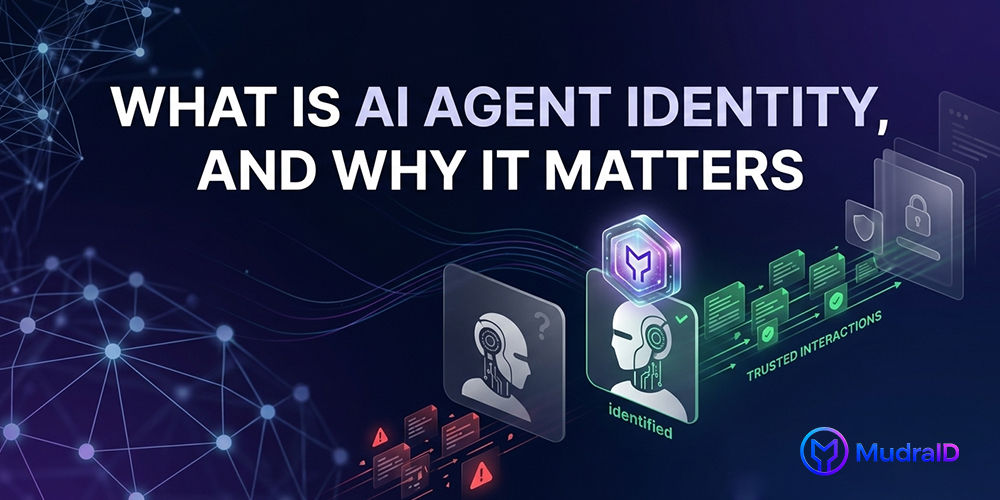
The internet was built for humans. Every trust mechanism we rely on — logins, sessions, CAPTCHAs, rate limits — assumes a person is on the other end. That assumption is breaking. AI agents now browse, retrieve data, transact, and communicate, often with no human in the loop.
Yet today's infrastructure can't answer the most basic questions about them: Who is this agent? Who authorized it? Can it be trusted? There is no native identity layer for autonomous systems — and that gap is where things go wrong.
Why headers and IP addresses aren't identity
Most systems try to identify automated traffic with signals like user-agent strings, IP ranges, or behavioral heuristics. These are trivially spoofable and constantly changing. They tell you almost nothing about intent or authority, so platforms are forced into a blunt choice: block automation entirely, or let it through and hope for the best.
Identity isn't "which bot is this." It's a verifiable answer to who an agent is, what it's allowed to do, and who it represents.
The three properties of agent identity
A workable identity layer for agents needs three things working together:
- Verifiable identity — agents carry cryptographic identities that can't be faked by swapping an IP or header.
- Delegated authority — an agent acts on behalf of a user or organization, with clearly scoped, least-privilege permissions.
- Signed interactions — every request is provable, traceable, and auditable, so trust is established at the moment of interaction.
From "block the bots" to "verify the agent"
Traditional defenses try to keep automation out. That approach fails legitimate AI agents and frustrates real users with friction like CAPTCHAs. Identity flips the model: instead of guessing whether traffic is malicious, you verify who is making the request and what they're permitted to do. No guessing, fewer false positives, and clear accountability.
Built on open standards
An identity layer only works if it's interoperable. That's why this should build on emerging standards rather than a proprietary island — SPIFFE-compatible WIMSE identifiers and the AIMS framework, with delegation grounded in OAuth 2.0 your stack already speaks.
The shift is already underway: the web is no longer just for humans. Giving agents a real identity is what lets automation scale without breaking trust.